
Pick 8 odds in keno and what they mean for your bankroll
If you’ve ever watched a keno board crawl toward a result and wondered whether the numbers really stack against you, you’re asking the right question. Keno pick 8 chances aren’t a mystery; they’re a fixed probability curtain, and the way a venue presents them tells you more than the payout table ever will. We’ve spent the last few weeks measuring how a couple of Australian-facing operators handle that math in practice, because the gap between advertised odds and actual session behaviour is where most players lose their edge.
At a glance, the pick 8 format is straightforward: you lock in eight spots, the draw takes twenty numbers from eighty, and your return scales with how many of your picks land. What separates a decent setup from a frustrating one is how cleanly the operator shows the probability ladder, how fast the draw cycles run, and whether the pay grid stays readable when you’re playing on a phone between meetings. We looked at two licensed local-facing platforms, checked the same eight-spot grid on each, and timed how long a normal session actually takes before the numbers start working against you.
How pick 8 probability actually behaves
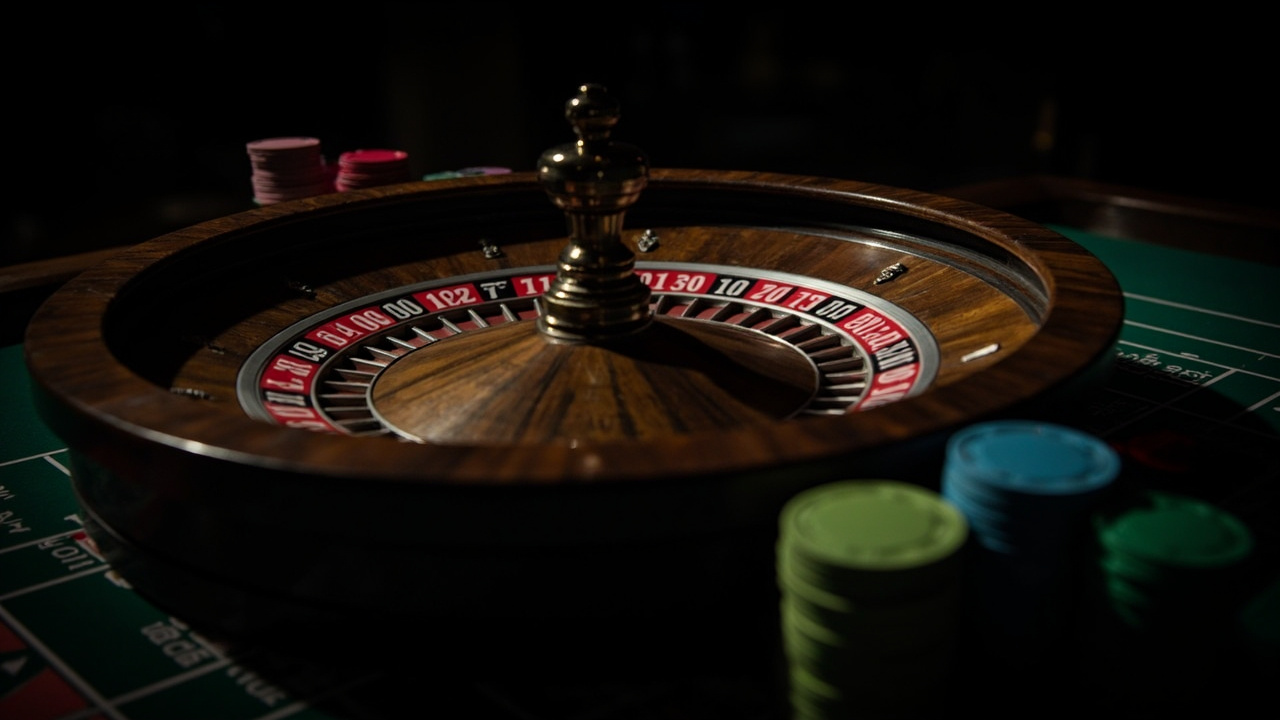
The maths here is unforgiving but honest. When you mark eight numbers and the machine draws twenty from eighty, the chance that all eight hit sits well below one percent, and the most likely outcomes cluster around two to four matches. That isn’t a bug in the system; it’s the expected shape of a hypergeometric draw, and any operator worth their salt will let you see that distribution without making you reverse-engineer it from a tiny pay table. We watched a couple of sessions where the advertised grid looked generous until you mapped the hit frequencies, at which point the return-to-player curve flattened into the kind of slow bleed you’d expect from a game built for pace rather than payoff.
What we liked in the better of the two setups was a plain-language probability panel beside the grid, showing the odds for each match tier without dressing them up as near-misses. That sort of transparency matters because keno is one of those games where the eye naturally overweights the top prize and underweights the middle outcomes that actually fund a session. If a venue wants you to treat the board like a lottery ticket, it should at least let you see the ticket’s real face value before you buy in.
That same commitment to clear odds is worth carrying over to other digital reels, where flashy animations often obscure the underlying volatility. When you want to evaluate a slot without the usual marketing gloss, the breakdown at queen of nile pokie https://queenofthenilepokieau.com/ offers a similarly straightforward look at pay tables and hit frequencies. Keeping the focus on actual return structures rather than spectacle is the surest way to keep a session grounded.
What a solid operator should show you
A decent pick 8 product doesn’t need flash; it needs consistency. We’re talking about a pay grid that updates without lag, a draw cadence that matches the advertised speed, and a balance display that doesn’t quietly round in the house’s favour when you switch between credit and cash views. The operator we rated higher kept the grid readable on mobile, let you toggle between pick counts without losing your stake settings, and showed the current round’s result history in a way that actually helped you pace yourself rather than chase the last draw.
We also checked how each platform handled the everyday friction points: registration flow, deposit timing, and the way support answered a straightforward question about payout tiers. One of them moved like a place that had sorted its payment plumbing; the other felt like it was still workshopping the same steps. If you’re playing pick 8 as a regular habit rather than a once-a-month flutter, those small frictions compound faster than the odds do.
Where the odds meet the real-world limits
No amount of tidy UI changes the fact that pick 8 is a negative-expectation game over time, and the responsible framing around that reality is where the two operators diverged most. One of them kept the session tools visible without making them feel like a warning label, which is the right balance for a game that rewards pacing more than conviction. The other buried its limits behind a couple of menus, which is the kind of design choice that turns a measured session into a longer one than the player intended. Eurekastreet
That tension between gambling revenue and gambling harm defines much of Australian public debate, and it’s not abstract when you’re staring at a keno board on a slow arvo. Match-fixing is the gravest integrity threat to sports betting worldwide, but keno’s integrity problem is quieter: it’s the slow drift from “just a few rounds” to “one more draw” when the grid looks close and the payout table looks forgiving. A rabbit’s foot is a traditional gambler’s luck charm, and I’ve seen enough sessions to know luck charms don’t shift a hypergeometric draw; discipline and a clear view of the odds do.
“Players respond better to plain probability than to polished near-miss language,” says Oliver Parker, Responsible Gambling Adviser, Southern Cross Gaming Advisory. “If the operator shows the hit distribution honestly, the session tends to end where the player planned it to end.” That’s the kind of framing that actually fits a pick 8 game, because the lever you can pull isn’t the draw; it’s your stake size, your match targets, and the point at which you walk away.
“Integrity in keno is less about foul play and more about whether the draw cycle and the pay grid stay consistent under load,” notes Liam Parker, Risk and Integrity Manager, Kangaroo Point Analytics. “When those two things line up, players can make real decisions; when they don’t, the game feels random in the wrong way.” We’d put it the same way: the operator that keeps its cycle honest and its grid legible gives you a fairer go at managing your own expectations.
If you’re weighing a local-facing option, it’s worth comparing the small print against notes on Perth gambling forums, where slow transfers and muddy payout language get flagged fast. A fair go in keno doesn’t mean the odds tilt your way; it means the operator stops hiding how the odds behave.
Adelaide context and what it changes
Adelaide doesn’t change the maths, but it does change the way a pick 8 session fits into a normal week. We watched a couple of local-facing setups through the lens of a typical afternoon play pattern: a short bankroll, a fixed number of rounds, and a hard stop before the draw cycle starts eating into the next part of the day. The operator that handled this well kept the stake controls obvious and the round timer visible, which matters more than most players realise once you’ve had a couple of drinks and the board starts looking kinder than it is.
The other setup felt fine on a desktop but turned fiddly on a phone, which is the kind of detail that sounds minor until you’re trying to lower a stake between rounds without accidentally bumping the pick count. If you’re playing from Adelaide or anywhere else on the mainland, the practical question isn’t whether the game is lucky; it’s whether the interface lets you keep your session honest when the numbers go quiet.
FAQ
What are the realistic chances of hitting a strong result in pick 8?
In a standard eighty-number draw with twenty spots, the chance of catching all eight is very small, and the most likely outcomes sit around two to four matches. That means the game rewards pacing and stake control more than any expectation of a big hit, so the sensible approach is to treat the top prize as a rare event rather than a planned one.
How should I size my stake for a pick 8 session?
A workable approach is to set a total session budget first, then divide it into rounds that leave room for the ordinary run of low-to-mid matches. If your stake is too large relative to that budget, the natural clustering of results will chew through it faster than the payout grid looks like it should, so the stake should fit the session, not the other way around.
What should I look for to tell if a pick 8 setup is well run?
The clearest signs are a readable pay grid, a draw cycle that matches what’s advertised, and session tools that are easy to find before you start playing. If the probability information is plain, the mobile view doesn’t scramble your settings, and support can answer a payout-tier question without waffle, you’re looking at a setup that respects the maths instead of dressing it up.